
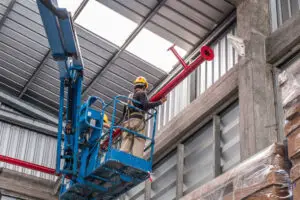
Fire Sprinkler Systems: Protecting Lives, Property and Business Continuity
Fire Sprinkler Systems – One of the Most Effective Fire Protection Measures
Fire sprinkler systems have been protecting buildings for well over a century and remain one of the most effective methods of controlling or extinguishing a fire before it can spread.
Despite common misconceptions, sprinkler systems are designed to activate only where heat from a developing fire reaches an individual sprinkler head. In most fire incidents, only one or two sprinkler heads operate, controlling the fire long before emergency services arrive.
However, a sprinkler system is only as reliable as its ongoing inspection, testing and maintenance.
At VERST Fire Services, we routinely inspect sprinkler systems that appear serviceable but contain hidden faults, isolated valves, ageing components or water supply issues that could prevent the system from operating when it is needed most.
Routine servicing ensures your sprinkler system remains compliant, reliable and ready to perform in an emergency.
What Standards Apply to Fire Sprinkler Systems?
Fire sprinkler systems are governed by several Australian Standards and legislative requirements that work together to ensure they are correctly designed, installed and maintained.
AS 2118 – Automatic Fire Sprinkler Systems
AS 2118 is Australia’s principal design and installation standard for automatic fire sprinkler systems.
It provides detailed requirements for:
Hazard classification of buildings
Water supply requirements
Pipework design
Sprinkler spacing and coverage
Hydraulic calculations
Pump and tank requirements
Control valves
Alarm devices
Commissioning and acceptance testing
Every sprinkler system is specifically engineered for the building it protects. Changes to building layouts, storage arrangements or occupancy can affect system performance and should always be reviewed by suitably qualified fire protection professionals.
AS 1851-2012 – Routine Service of Fire Protection Systems
Following installation, sprinkler systems must be routinely inspected, tested and maintained in accordance with AS 1851-2012.
This standard outlines preventative maintenance activities to ensure the entire sprinkler system remains operational throughout its service life.
Routine servicing commonly includes:
Inspection of sprinkler control valves
Confirmation that isolation valves remain locked and accessible
Water supply verification
Alarm valve testing
Pressure gauge inspection
Pump operation testing (where installed)
Flow switch testing
Inspection of sprinkler heads for damage or obstruction
Pipework inspection
Tank inspections
Monitoring of corrosion or leaks
Recording all inspections and testing within the Essential Safety Measures logbook
Maintenance activities are performed at prescribed monthly, quarterly, six-monthly, annual and longer-term intervals depending on the equipment being tested.
The objective is to identify faults before they compromise the system’s ability to control a fire.
National Construction Code (NCC) and Victorian Building Regulations
Automatic sprinkler systems form part of a building’s Essential Safety Measures (ESMs).
The National Construction Code (NCC), together with the Victorian Building Regulations, requires building owners to ensure these systems continue to perform to the standard to which they were originally approved.
Building owners are responsible for:
- Maintaining sprinkler systems in an operational condition
- Completing routine inspections and testing
- Rectifying identified defects promptly
- Maintaining accurate service records
- Completing Annual Essential Safety Measures Reports (AESMRs) where applicable
Failure to maintain sprinkler systems may result in increased life safety risks, property damage, regulatory action and potential insurance implications.
Common Issues Found During Routine Sprinkler Servicing
Many sprinkler systems operate for years without activation, making routine servicing even more important.
Some of the most common issues identified during inspections include:
Isolated Control Valves
One of the most serious faults is an inadvertently closed sprinkler isolation valve.
A closed valve may disable part or all of the sprinkler system without building occupants being aware.
Routine servicing confirms valves remain correctly positioned, secured and monitored where required.
Corrosion
Internal pipe corrosion can gradually restrict water flow and introduce debris into the sprinkler network.
External corrosion may also weaken pipe supports or fittings over time.
Early identification allows remedial works to be planned before major failures occur.
Mechanical Damage
Sprinkler heads are occasionally damaged by forklifts, maintenance works, storage activities or accidental impact.
Even seemingly minor damage can affect sprinkler performance and should never be ignored.
Obstructed Sprinklers
Building alterations, shelving, partitions, decorations or stored materials can prevent water from reaching a fire effectively.
Routine inspections ensure sprinkler discharge patterns remain unobstructed and compliant with the original system design.
Water Supply Issues
A sprinkler system depends entirely on an adequate and reliable water supply.
Routine testing verifies the operation of pumps, tanks, valves and associated equipment to ensure sufficient water is available during an emergency.
Modern Sprinkler Technology Continues to Improve
While the principles of automatic sprinklers remain unchanged, modern technology has significantly improved system reliability and monitoring.
Today’s systems may include:
- Electronic valve monitoring
- Remote alarm monitoring
- Intelligent fire pump controllers
- Improved corrosion-resistant materials
- Enhanced supervisory monitoring
- Digital maintenance reporting
- Integrated Building Management System (BMS) interfaces;
These technologies allow building owners to identify faults earlier, reduce downtime and improve compliance management.
Best Practices for Maintaining Fire Sprinkler Systems
Maintaining a reliable sprinkler system requires more than scheduled inspections.
Building owners and facility managers can improve long-term system performance by adopting several practical measures.
Never isolate sprinkler valves without authorisation: Temporary isolation should only occur under controlled procedures and should always be reinstated immediately after works are completed.
Keep sprinkler heads clear: Storage should never be placed too close to sprinkler heads.
Report leaks immediately: Even minor leaks can indicate developing faults within the system.
Early repairs are generally less costly than major rectification works.
Review the system following building alterations: Changes to warehouse storage heights, office layouts, manufacturing processes or tenancy fit-outs may require modifications to the sprinkler system.
The original design assumptions may no longer apply.
Partner with experienced fire protection professionals.
Routine servicing should not simply be viewed as a compliance exercise.
Experienced technicians assess the overall health of the system, identify emerging issues and provide practical recommendations that extend system life while maintaining compliance.
Why Routine Sprinkler Maintenance Matters
Fire sprinkler systems often remain unnoticed until they are required to respond to an emergency.
Regular maintenance provides confidence that the system will perform as intended by:
- Detecting faults before they become critical
- Maintaining adequate water supplies
- Confirming valves remain operational
- Identifying deteriorating components
- Supporting compliance with Australian Standards and Victorian legislation
- Protecting occupants, assets and business operation
Routine servicing is an investment in both life safety and business continuity.
How VERST Fire Services Can Help?
At VERST Fire Services, we provide comprehensive inspection, testing and maintenance of fire sprinkler systems in accordance with AS 1851-2012 and applicable Victorian legislative requirements.
Our experienced technicians service commercial, industrial, healthcare, education, retail and residential buildings throughout Victoria, delivering practical, compliance-focused solutions backed by technical expertise.
Whether you require routine sprinkler servicing, defect rectification, system impairment management or advice regarding ageing infrastructure, our team is committed to helping you maintain reliable fire protection and ongoing compliance.
If you’re unsure about the condition of your fire sprinkler system or would like to establish a preventative maintenance program, contact VERST Fire Services today. We’re here to help protect your people, your property and your peace of mind.